Week 2 – Review of Software Engineering Principles
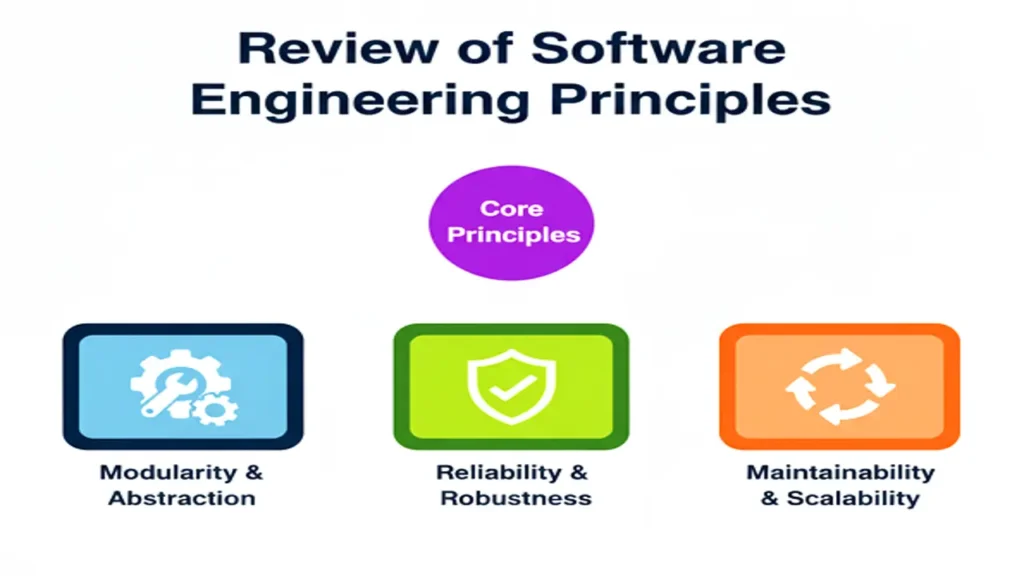
Software Engineering Principles
Explore Software Engineering Principles from SDLC models and Agile workflows to AI-powered automation improving quality, security and scalability.
Review of Software Engineering Principles
Modern engineering blends structured process with intelligent automation.
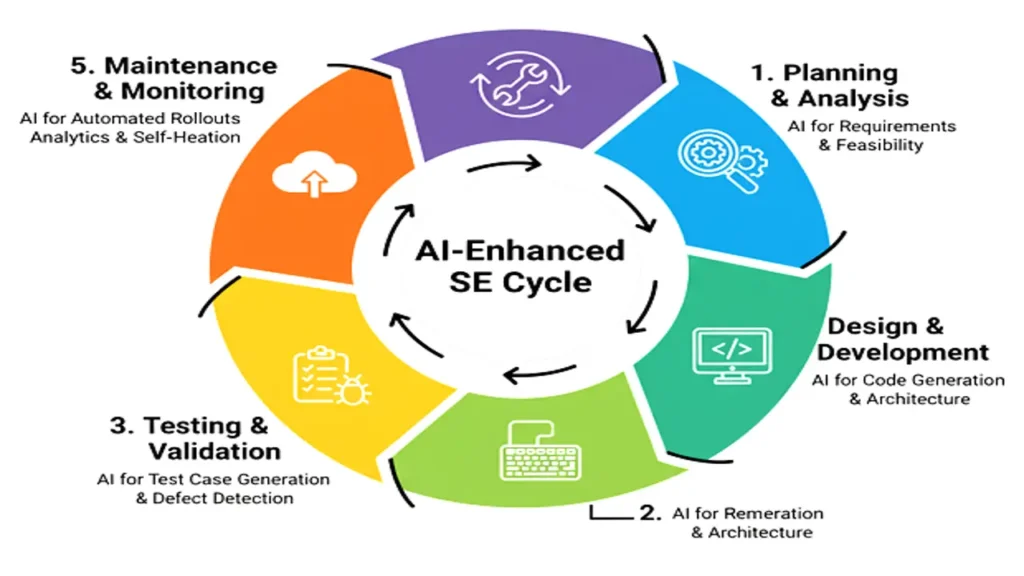
In this lecture we revisit the fundamentals of Software Engineering (SE) and see how Artificial Intelligence (AI) now enhances every phase of the Software Development Life Cycle (SDLC).
Understanding the Software Development Life Cycle (SDLC)
The SDLC is the backbone of every project a framework that defines how software is planned, developed, tested, and delivered.
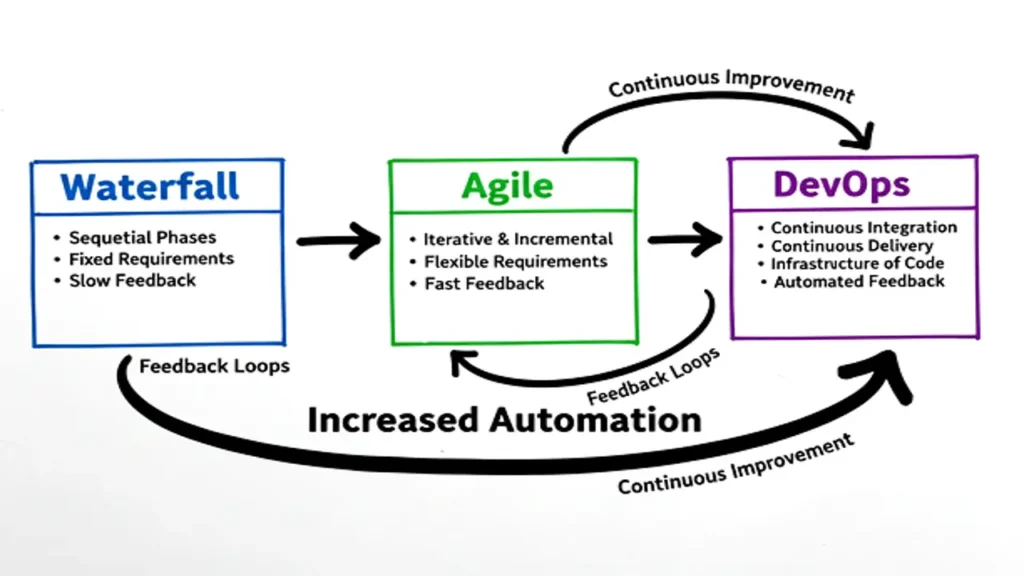
Common Models
- Waterfall Model Linear, stage-by-stage approach suited for fixed requirements.
- Agile Methodology Iterative, flexible cycles (sprints) focused on feedback and quick adaptation.
- DevOps Pipeline Integrates development and operations, enabling continuous integration (CI) and continuous deployment (CD).
Introduction to Intelligent Software Engineering (ISE)
Core Software Engineering Activities
Each activity builds upon the last, ensuring software meets both functional and business goals.
| Phase | Description | Modern AI Assistance |
|---|---|---|
| Requirements Engineering | Understanding what to build. | NLP tools analyze documents, detect ambiguity. |
| Design | Structuring architecture and modules. | AI suggests design patterns and refactoring options. |
| Implementation | Writing code based on design. | Code assistants like Copilot or ChatGPT generate snippets. |
| Testing | Verifying software quality. | AI creates test cases and predicts bug-prone modules. |
| Maintenance | Updating and optimizing post-release. | ML models forecast defects and recommend improvements. |
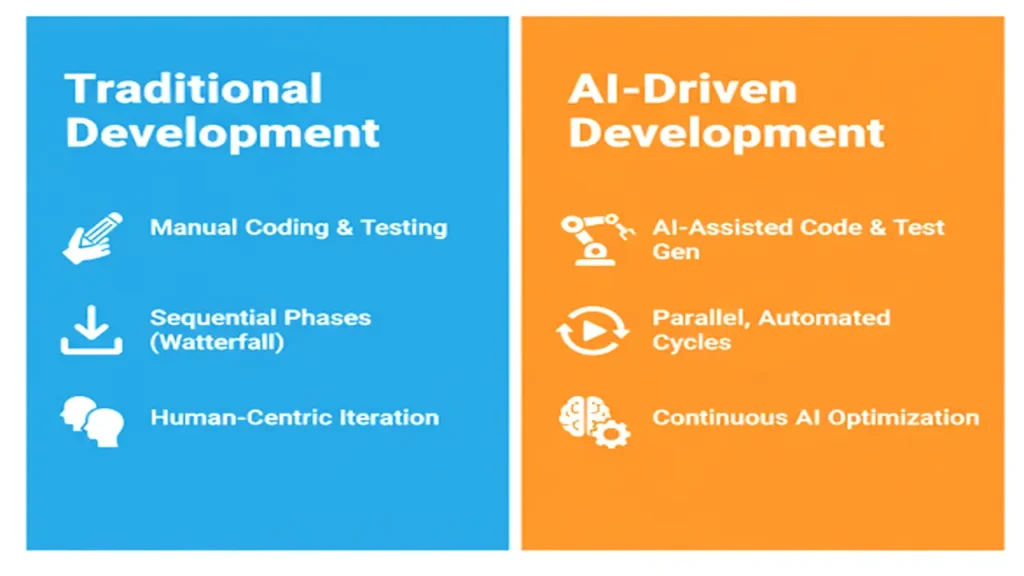
Challenges in Modern Software Engineering and How AI Helps
| Challenge | Traditional Approach | AI-Driven Solution |
|---|---|---|
| Scalability | Manual resource planning | Predictive load balancing and cloud auto-scaling |
| Quality | Human code review | Static analysis with AI defect detection |
| Security | Post-breach fixes | AI-based vulnerability scanners and anomaly detection |
| Delivery Speed | Manual testing cycles | Continuous Testing and AI-driven CI/CD |
AI transforms each limitation into an opportunity for optimization, making the SDLC faster, smarter, and more resilient.
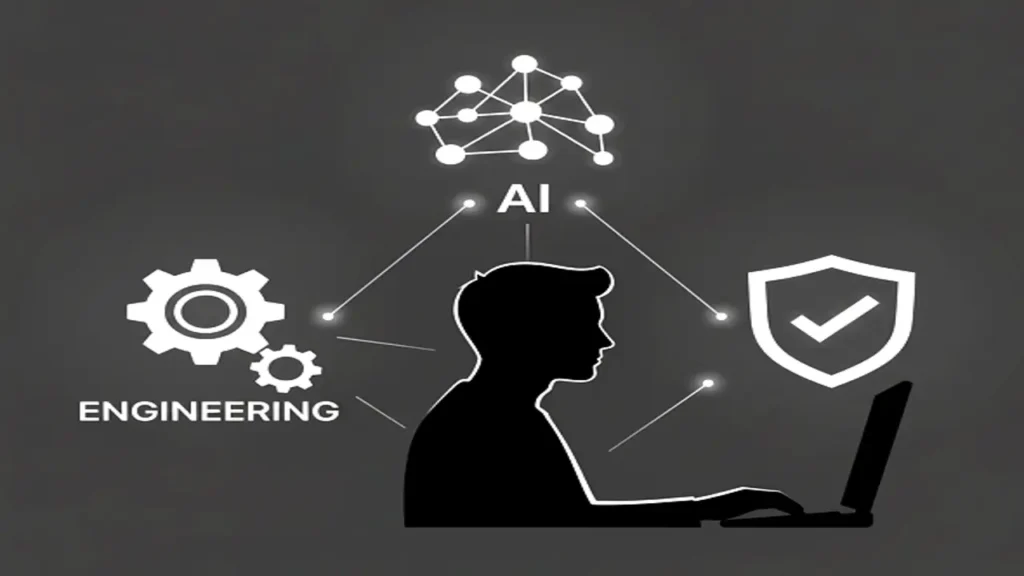
The AI-Enabled Software Engineer
The next-generation engineer is part developer, part data scientist.
Key competencies include:
- Understanding ML algorithms for automation
- Integrating AI tools into development workflows
- Evaluating ethics, security and bias in AI-assisted systems
Lecture Summary
- SDLC provides the structure; AI brings intelligence.
- Agile and DevOps enable continuous delivery and learning.
- AI tools enhance requirements, design, testing, and maintenance.
- The future belongs to adaptive engineering teams that merge creativity with data-driven insight.
“Every intelligent system begins with an intelligent mind. The smarter you think, the smarter you build.”